Categories
A Complete Guide to DTF Printing: Principles, Workflow & Core Advantages — Understand This Popular Digital Printing Solution
DTF (white ink heat transfer) is a popular digital printing technology. This article explains its working principle and full workflow: printing, powdering, drying and heat transfer. It covers its strengths for various fabrics and flexible production. Ideal for printing practitioners and foreign trade merchants to quickly grasp the basics.
Nov 11th,2026
22 Views
DTF stands for Direct to Film, commonly called white ink heat transfer printing in the industry. It is a "print on film first, then transfer" digital printing process and a mainstream solution for custom apparel and small-batch fast turnaround orders. Unlike DTG (Direct-to-Garment) and sublimation printing, DTF does not spray ink directly onto fabric. Instead, patterns are produced on a PET transfer film and then transferred onto various substrates with a heat press.
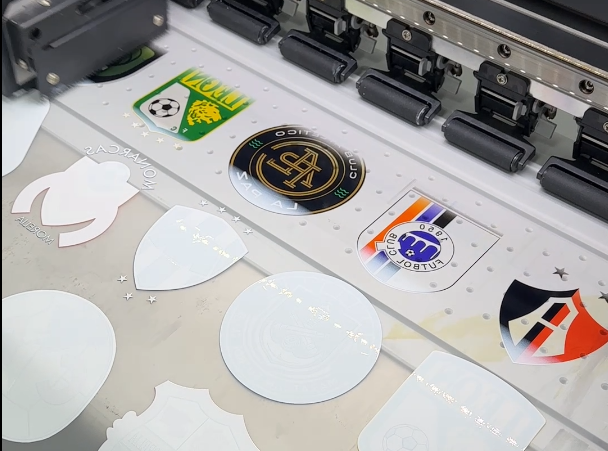
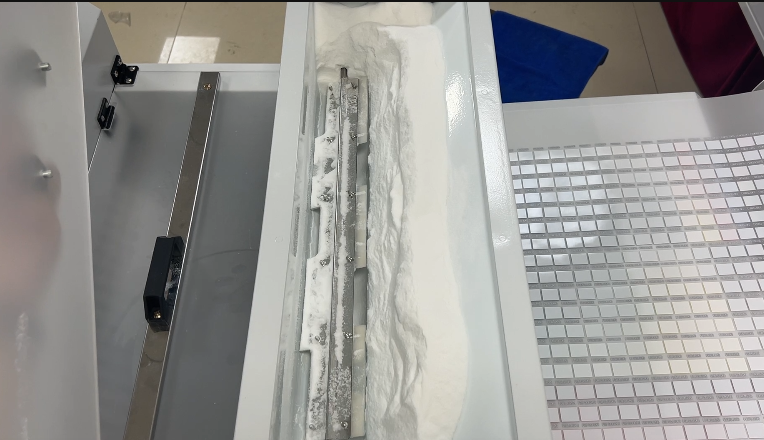
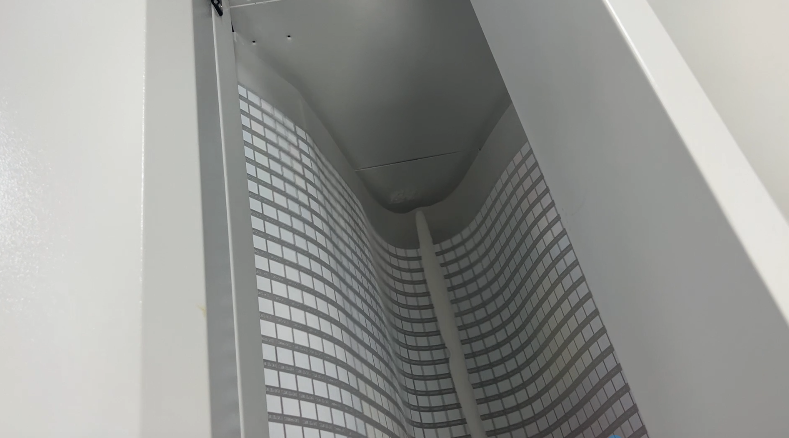 Its working principle is straightforward: a DTF printer prints mirrored CMYK colors and a white ink underbase onto coated PET film. The white ink layer acts as an opacity base, which is critical for vivid colors on dark fabrics. While the ink is still wet, hot melt adhesive powder is evenly applied. Excess powder is shaken off, and the film goes through a drying tunnel for curing. The powder fuses with the ink to form a storable transfer sheet. The finished DTF film can be packed and stored. When needed, place the film on the fabric, apply heat and pressure via a heat press. The adhesive melts and bonds to the fabric. After cooling, peel away the PET liner, leaving the pattern permanently on the material.
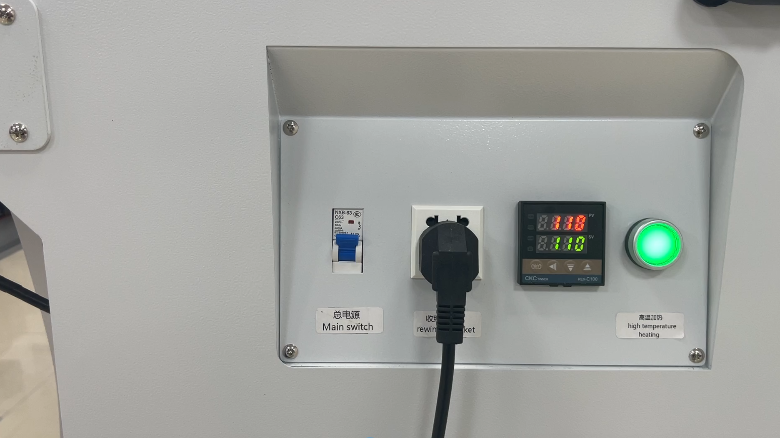
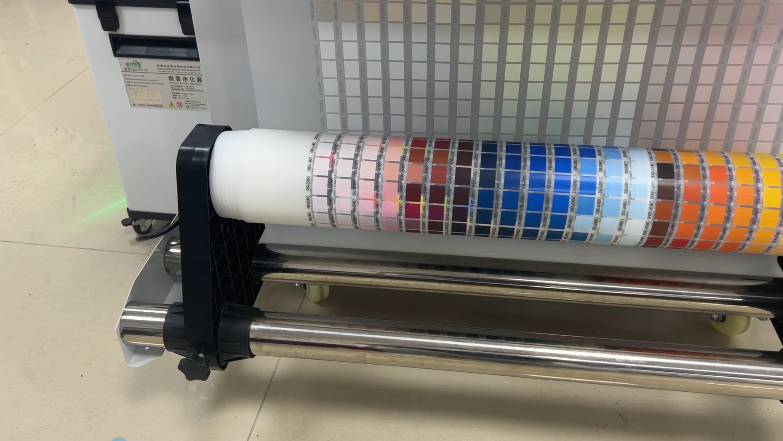
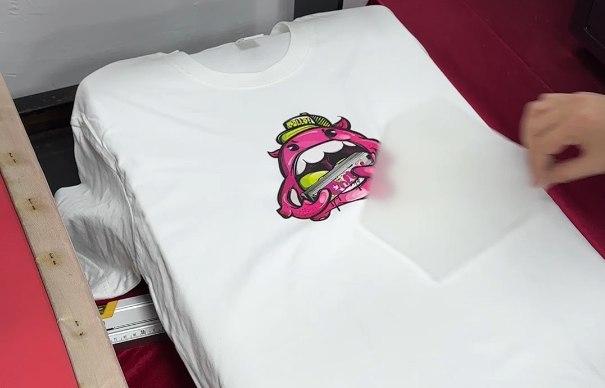 The standard DTF production workflow includes five key steps: pattern layout & printing, automatic powder coating & powder shaking, drying and curing, heat transfer pressing, and film peeling. Most all-in-one DTF machines integrate printing, powdering and drying to reduce manual work and improve stability for both sampling and mass production. No screen making is required. Designs can be updated simply by modifying digital files, with no upfront costs for screens or films. It supports one-piece orders and performs exceptionally well for small-batch jobs.
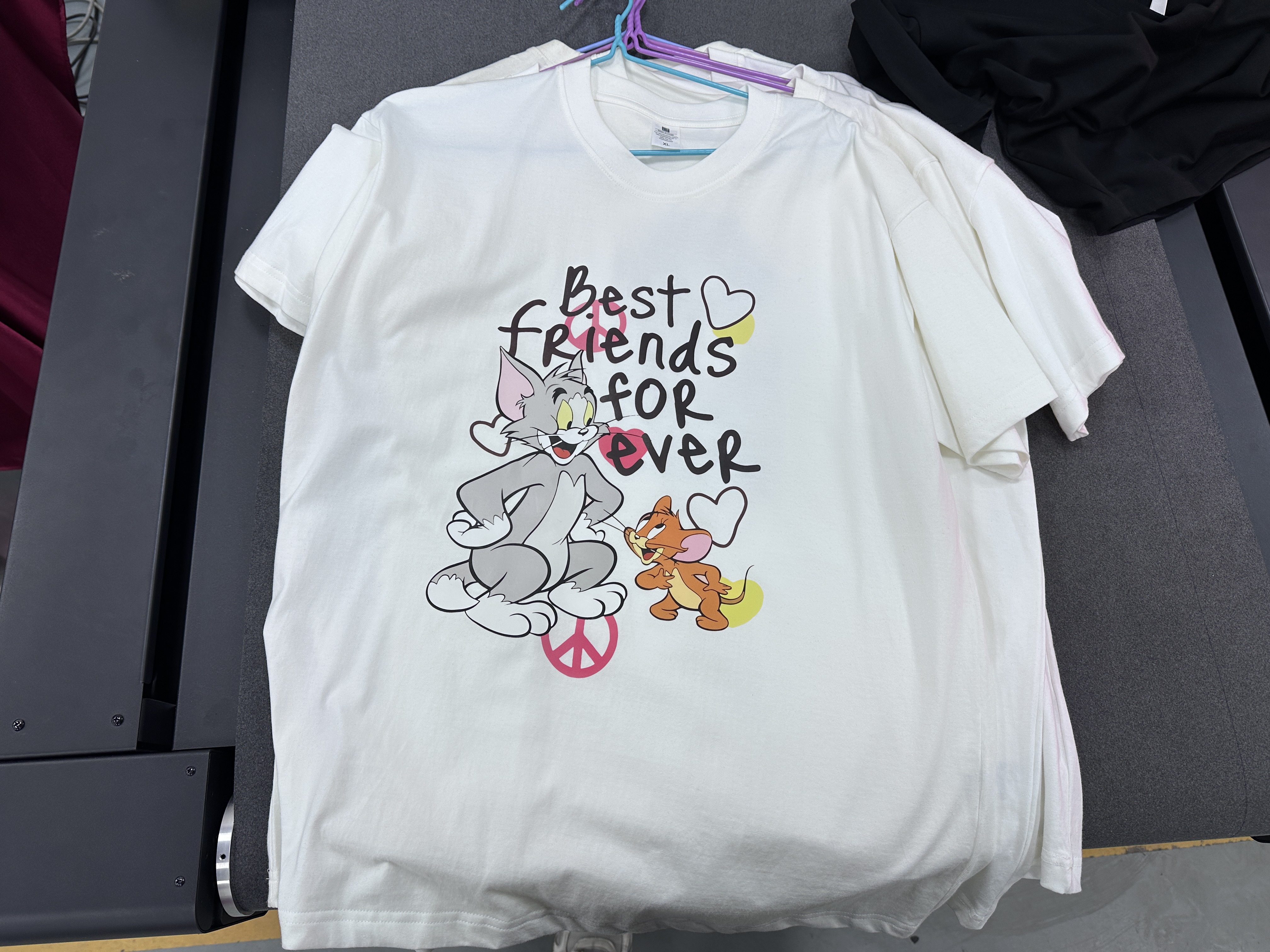
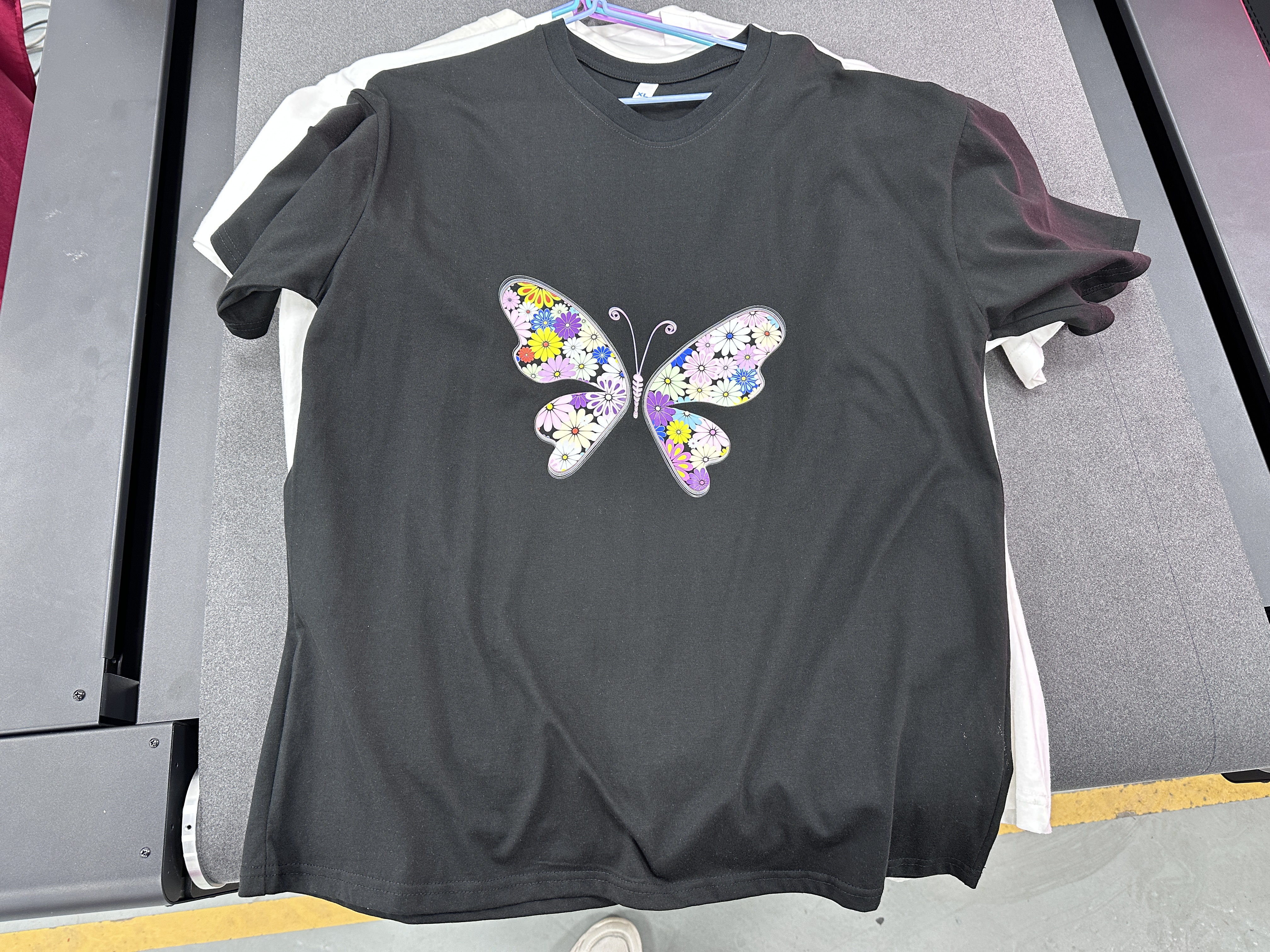 DTF has four major advantages. First, it works on a wide range of materials: cotton, polyester, blends, denim, canvas and some synthetic leather. This broad fabric compatibility is a key reason for its rapid adoption. Second, it works perfectly for both light and dark fabrics. The white underbase prevents dullness and see-through issues on dark goods. Fine details such as gradients, portraits, tiny text and complex IP artwork can be reproduced sharply. Third, quality prints are soft, stretchable and resistant to cracking or peeling after repeated washes when paired with premium consumables. Fourth, production is highly flexible. Transfer films can be pre-produced and stocked. Once orders come in, only heat pressing is needed to shorten lead times. It fits fashion e-commerce, bulk export orders and in-store customization services.Even so, DTF is not a universal printing method. A thin layer of adhesive remains on top of the print, which feels different from DTG prints that sink into fabric fibers. Final quality heavily depends on printhead condition and the matching set of ink, PET film and hot melt powder. Before investing in equipment, evaluate your order types, fabric range and budget carefully.As the digital printing industry moves toward personalized and small-batch production, DTF is replacing traditional screen printing and older heat transfer solutions thanks to its low entry barrier, wide compatibility and flexible manufacturing. It has become a top upgrade option for printing factories and foreign trade processors. Mastering its principles and workflow helps you avoid common pitfalls with consumable matching and parameter tuning for consistent high-quality output.