
Many custom apparel sellers, print-on-demand (POD) stores and garment printing workshops face the same question when purchasing digital printing equipment: should they invest in a DTF printer or a DTG printer? Online opinions vary. Some praise DTF for its versatility, while others insist DTG is the only choice for premium cotton orders. There is no universally “better” machine — only the solution that fits your business model.
DTG stands for Direct to Garment. This technology prints water-based ink directly onto pre-treated garment fabric. The ink penetrates the fabric fibers and cures without any transfer film. For dark garments, a pre-treatment spray is mandatory to secure white ink adhesion and color vibrancy.
DTF means Direct to Film. First, the printer prints CMYK + white ink graphics onto a PET release film. Hot melt powder is applied and melted to form a transfer film. Later, a heat press transfers the pattern onto fabrics. No pre-treatment of garments is required. Finished transfer films can be stocked for on-demand application, offering great flexibility.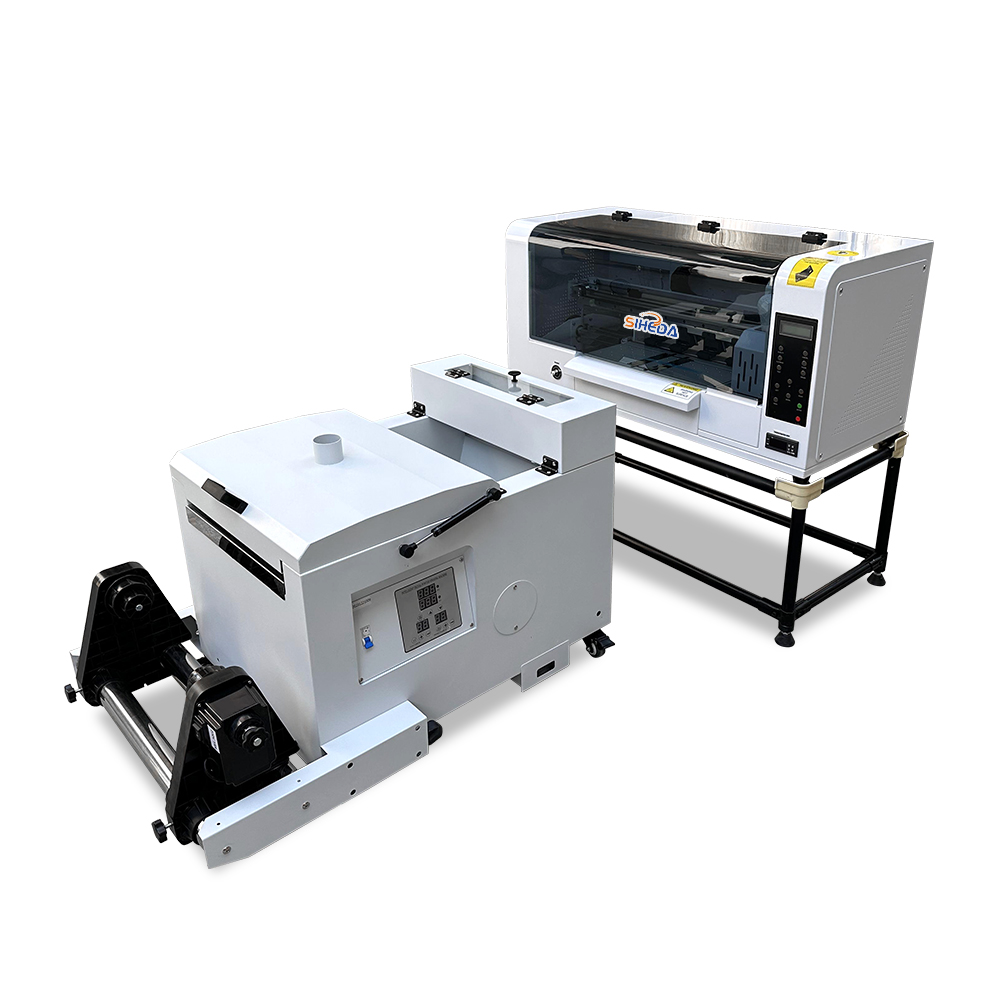
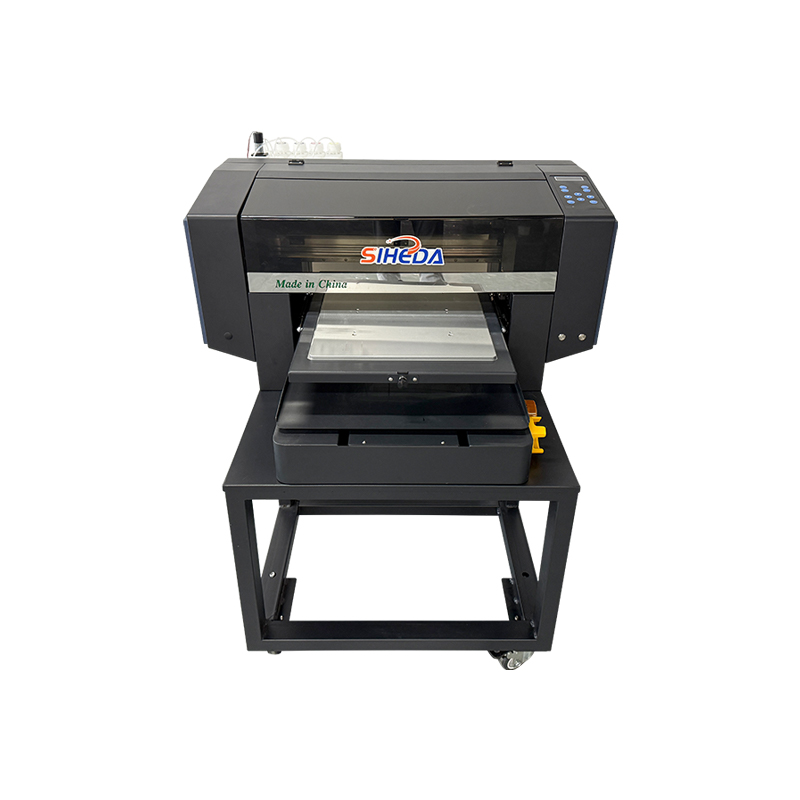
DTG has clear limitations: it works best on high cotton content fabrics such as 100% cotton T-shirts, hoodies and canvas bags. It struggles with polyester, nylon, spandex and quick-dry sportswear, which often result in weak adhesion, cracking and color shifts. DTG is ideal for businesses focusing on premium cotton apparel and streetwear.
DTF works reliably on nearly all materials: cotton, polyester, blends, denim, leather and canvas. It performs well on both light and dark garments. DTF is a safe pick if your product lineup covers sportswear, hats, bags and mixed fabric items.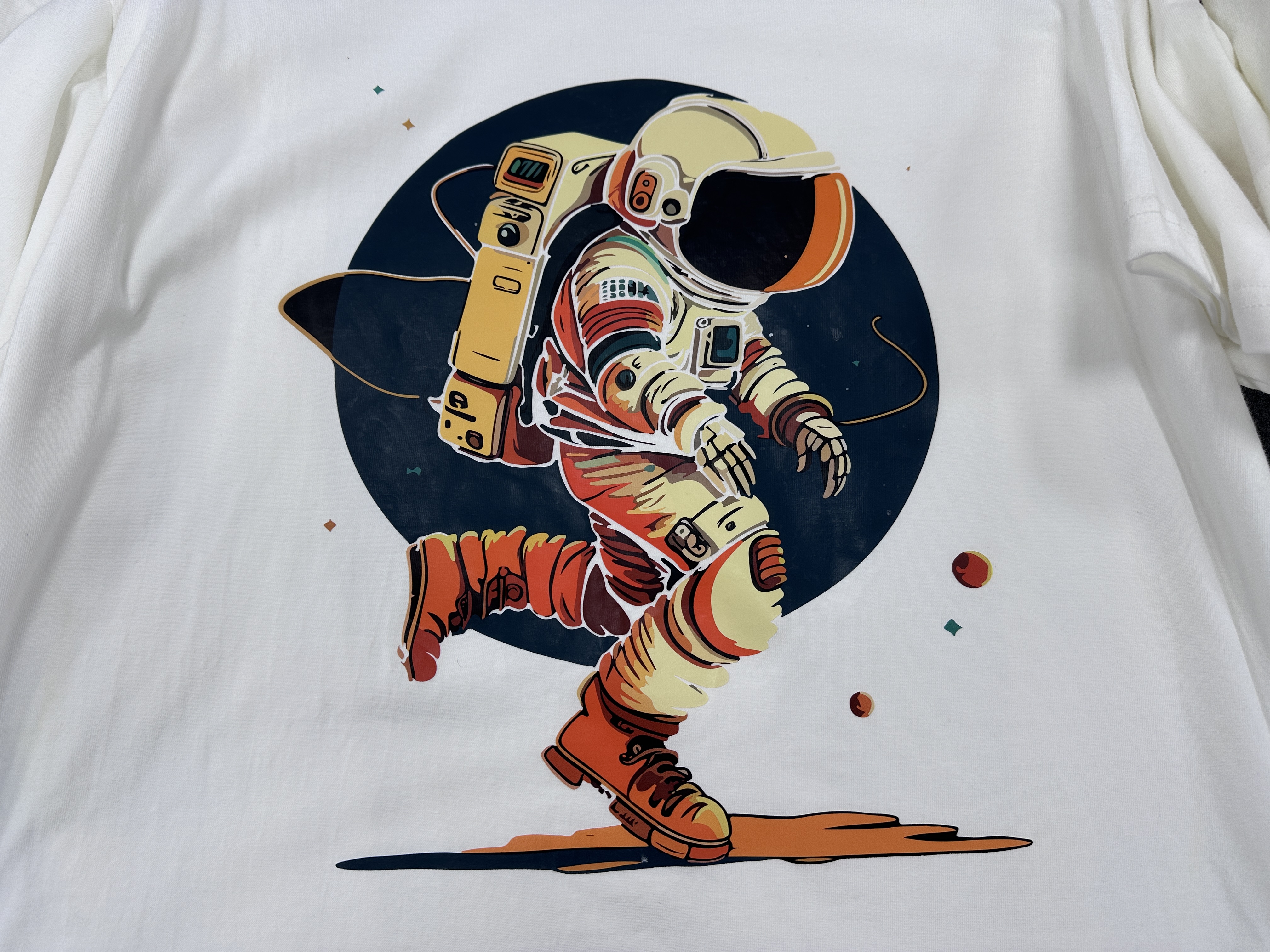
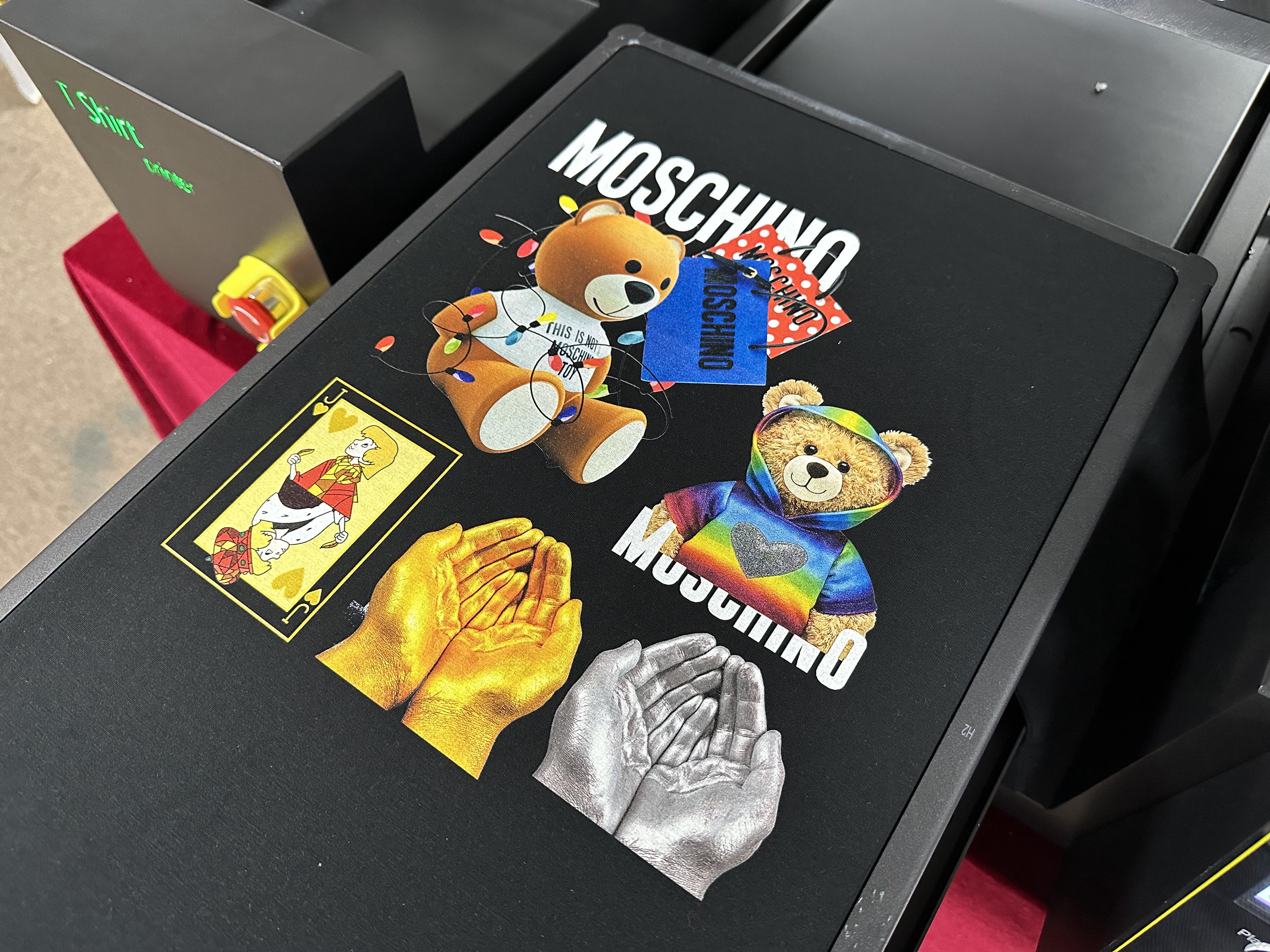
This is the most noticeable difference for end customers. DTG ink sinks into fabric fibers. The print is thin, breathable and has no film texture, making it the preferred option for high-end streetwear and premium custom cotton products. The downside is that pre-treatment for dark garments adds extra steps; poor pre-treatment can leave water marks or stiff spots on fabric.
DTF prints sit on top of the fabric with a thin adhesive film and a slight rubbery feel. Modern DTF ink and powder formulas have greatly improved softness, yet it still cannot match the bare-skin feel of DTG. Its advantage lies in strong coverage and stable, vivid colors on dark backgrounds.
For similar specs, a DTG printer usually costs more upfront. You also need supporting pre-treatment sprayers and drying units. A full DTF setup includes printer, powder shaker, oven and heat press. It has a lower entry barrier and is popular for new small print shops.
DTG consumes ink and pre-treatment liquid. White ink consumption is high for dark prints, pushing up the cost per piece. DTF uses release film, ink and hot melt powder, which delivers better unit economics for bulk runs. Both require regular head cleaning. DTG is sensitive to white ink sedimentation and tends to clog if left idle. DTF needs proper powder distribution and dust management.
Go with a DTG printer if your main orders are premium cotton T-shirts, small-batch high-end streetwear, local luxury custom jobs, and your customers prioritize breathability and zero-film softness.
Choose a DTF printer if you handle mixed fabrics, frequent dark garment jobs, one-off orders, stocked transfer films, POD dropshipping, sportswear & accessory printing, or you are starting with a limited budget.
Well-established printing factories often run both: DTG for high-value premium cotton orders and DTF for polyester, dark garments and miscellaneous jobs to cover all customer demands.
Do not decide based only on market hype. Start with three questions: What fabrics do you print most? What hand feel standard do your customers expect? What are your order volumes and budget? DTG is the premium cotton-focused solution. DTF is versatile, affordable and flexible. Match the machine to your niche, and avoid tying up capital on equipment that cannot handle your orders.